At Sakkthi Clinical Laboratory & Andrology Centre, we provide prenatal screening tests using reliable laboratory methods and advanced diagnostic techniques. Our laboratory supports doctors and expecting parents by delivering accurate screening results that help monitor the health and development of the baby during pregnancy.
What are Prenatal Screening Tests?
Prenatal screening tests are tests performed during pregnancy to assess the risk of certain genetic conditions or developmental abnormalities in the baby.These tests help identify potential concerns early so that doctors can recommend further evaluation or appropriate care if necessary.
Who Needs Prenatal Screening Tests?
All Pregnant Women as part of routine pregnancy care
Women aged 35 years or above who may have higher genetic risk
Couples with a family history of genetic disorders
Women with previous pregnancy complications or birth defects
Pregnancies where doctors recommend additional fetal health monitoring
First Trimester Screening
Performed during 11 to 13 weeks of pregnancy
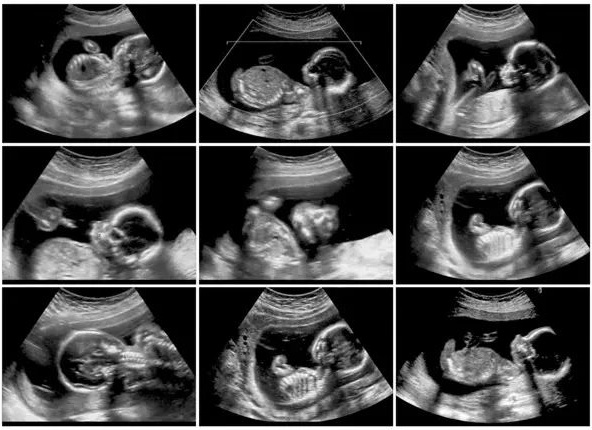
Includes blood tests and ultrasound scan (NT scan)
Helps assess the risk of chromosomal conditions such as Down syndrome
Evaluates certain pregnancy-related markers in maternal blood
Provides early information about fetal health
Second Trimester Screening
Usually performed during 15 to 20 weeks of pregnancy
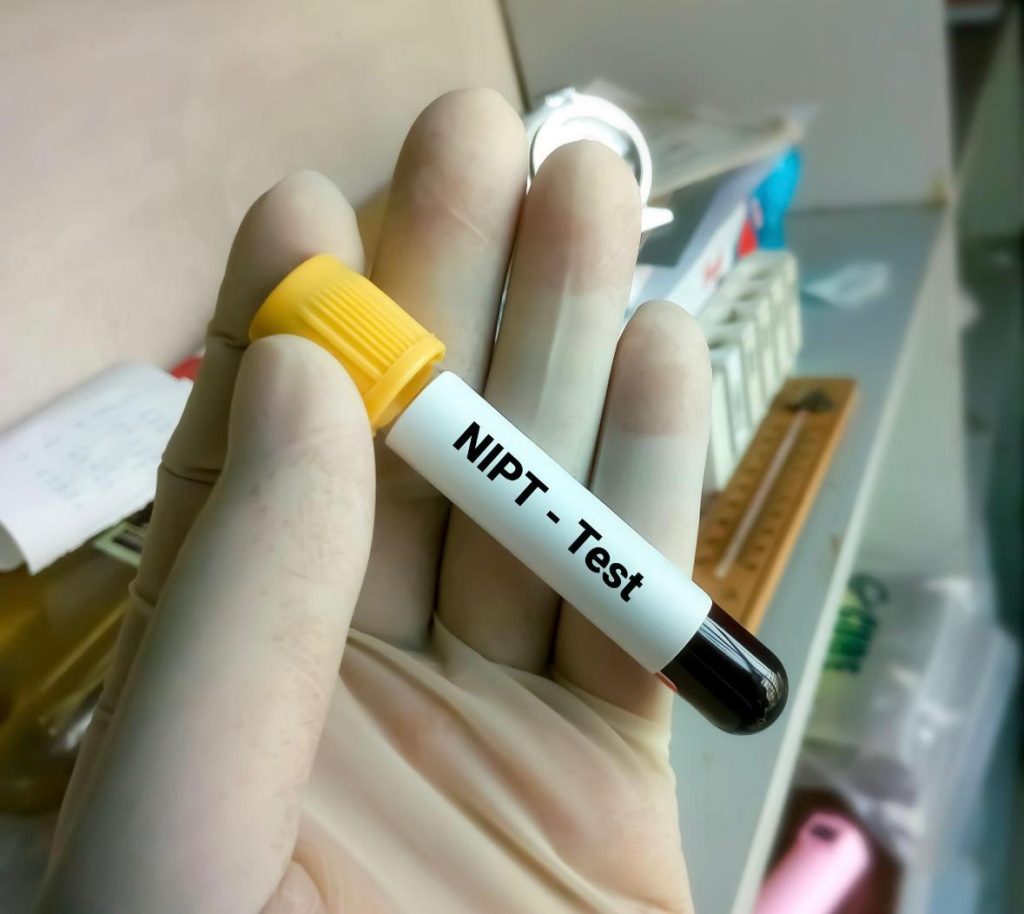
Includes blood tests often known as triple or quadruple marker screening
Helps assess the risk of chromosomal abnormalities and neural tube defects
Provides additional information about fetal development
Advanced Prenatal Genetic Testing
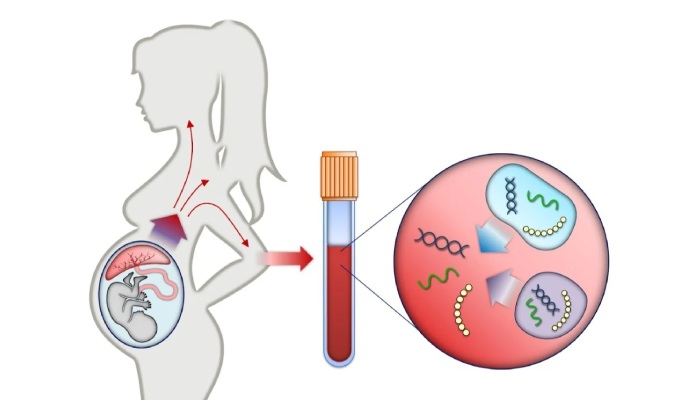
Uses advanced genetic testing methods to evaluate fetal genetic material
Helps detect chromosomal abnormalities with higher accuracy
Often recommended for high-risk pregnancies or when screening results require further evaluation
Provides more detailed information about fetal genetic health
First Trimester Screening
Performed during 11 to 13 weeks of pregnancy
Includes blood tests and ultrasound scan (NT scan)
Helps assess the risk of chromosomal conditions such as Down syndrome
Evaluates certain pregnancy-related markers in maternal blood
Provides early information about fetal health
Second Trimester Screening
Usually performed during 15 to 20 weeks of pregnancy
Includes blood tests often known as triple or quadruple marker screening
Helps assess the risk of chromosomal abnormalities and neural tube defects
Provides additional information about fetal development
Advanced Prenatal Genetic Testing
Uses advanced genetic testing methods to evaluate fetal genetic material
Helps detect chromosomal abnormalities with higher accuracy
Often recommended for high-risk pregnancies or when screening results require further evaluation
Provides more detailed information about fetal genetic health